118 Mill Street Where Every Space Tells a Story

118 Mill Street

Where Every Space Tells a Story

Latest Articles

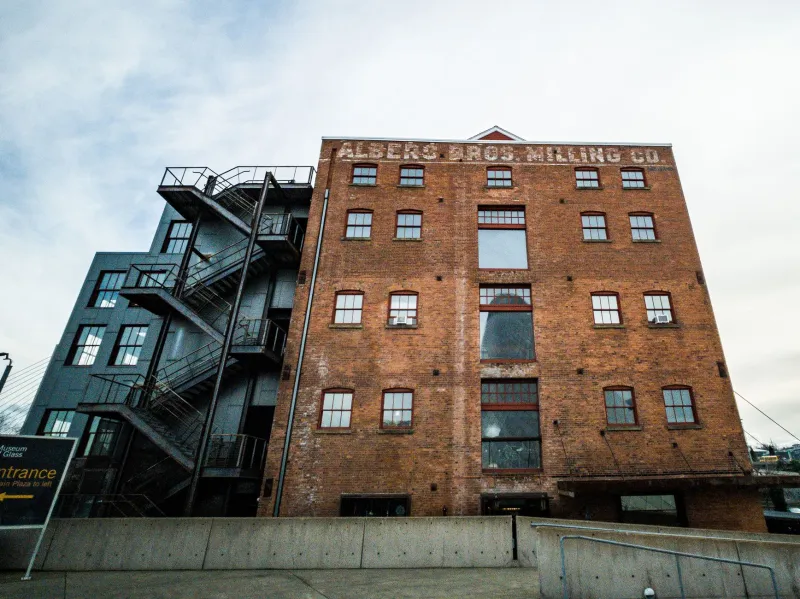
Converted to a Lesser Purpose: Why Residential Transformation Is Costing Mill Buildings Their Greatest Economic Potential
Buying & Investment

Converted to a Lesser Purpose: Why Residential Transformation Is Costing Mill Buildings Their Greatest Economic Potential

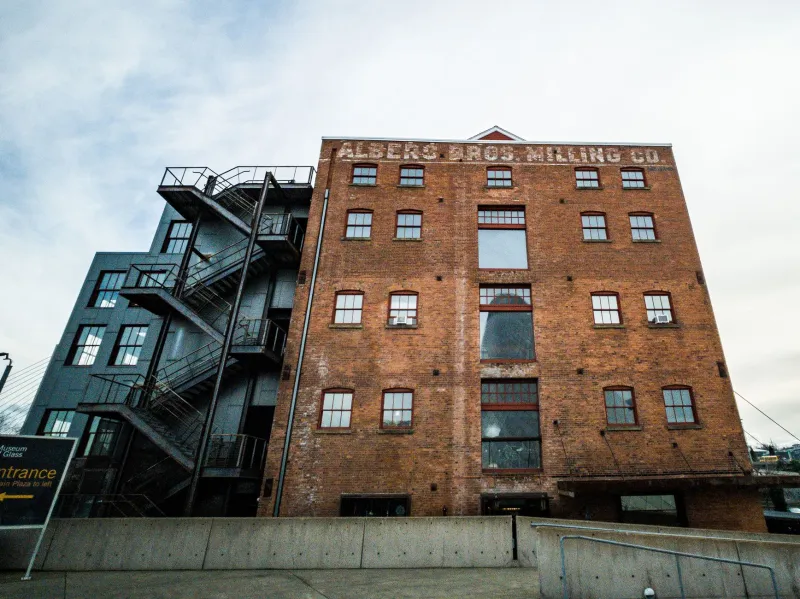
The race to convert America's historic mill buildings into residential units has produced attractive lofts and compelling lifestyle narratives—but may be systematically destroying the very economic engines these structures were built to sustain. A growing body of evidence suggests that buildings which resisted full residential conversion are quietly outperforming their transformed counterparts in long-term return, tenant quality, and neighborhood economic impact.

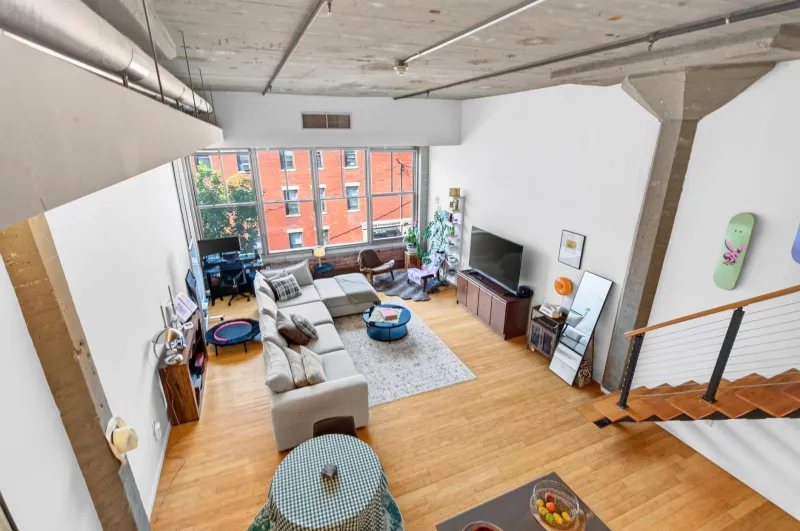
The Luxury Trap: How Residential-Only Conversions Are Leaving Historic Mills' Greatest Value on the Table
Buying & Investment

The Luxury Trap: How Residential-Only Conversions Are Leaving Historic Mills' Greatest Value on the Table

Across America, developers are racing to transform historic mill buildings into high-end apartment complexes — and in doing so, may be systematically erasing the very qualities that make these properties exceptional long-term investments. A closer examination of mixed-use and maker-space models reveals a compelling case that the most profitable mill conversions are rarely the ones that went all-in on residential.

Gutted and Forgotten: How Over-Renovation Is Quietly Erasing the Soul of America's Mill Conversions
Buying & Investment

Gutted and Forgotten: How Over-Renovation Is Quietly Erasing the Soul of America's Mill Conversions

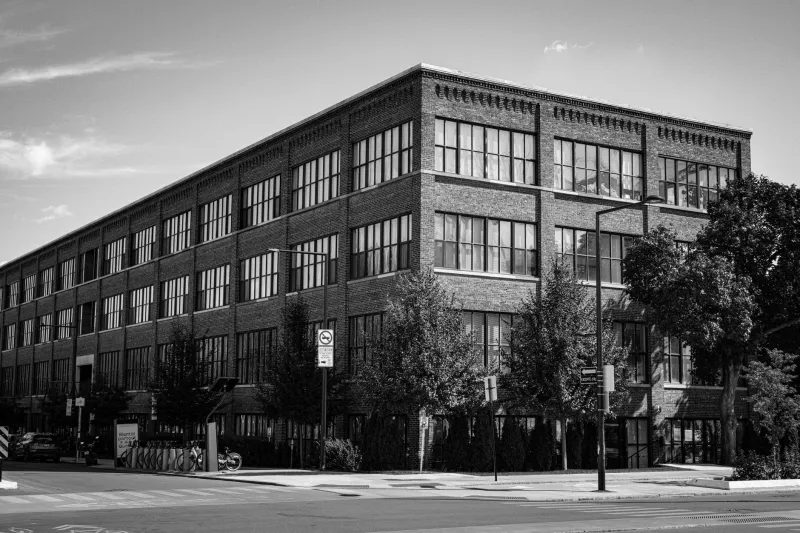
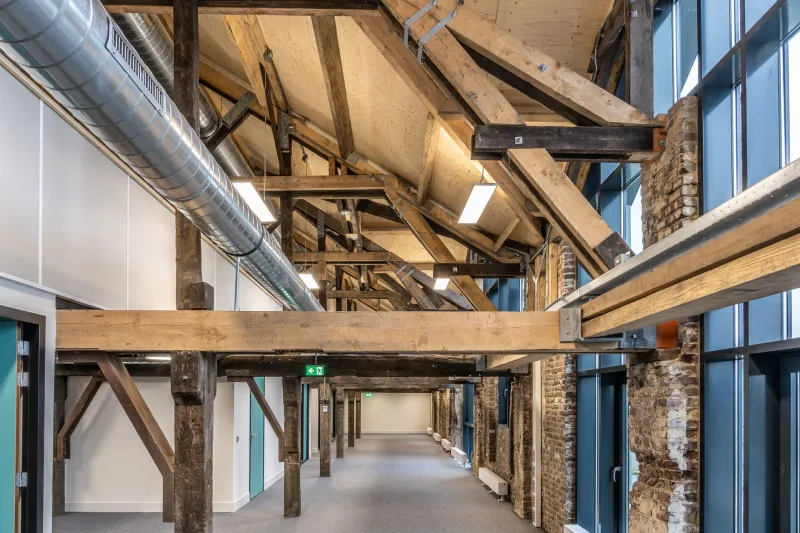
The industrial character that draws buyers to converted mill properties — exposed timber, weathered brick, the tangible weight of history — is increasingly being sanded away in the name of modern convenience. Across the United States, a growing body of evidence suggests that aggressive interior renovations often diminish the very premium that made these addresses desirable in the first place. The most enduring adaptive reuse projects are those that treat original fabric not as an obstacle, but a

Street Names as Brand Equity: Why 'Mill,' 'Foundry,' and 'Factory' Are Becoming Real Estate's Most Valuable Marketing Assets
Market Trends

Street Names as Brand Equity: Why 'Mill,' 'Foundry,' and 'Factory' Are Becoming Real Estate's Most Valuable Marketing Assets

Across America's reimagined urban corridors, certain street names have quietly transcended their navigational function to become something far more powerful: brand identities that command premium pricing and attract highly specific buyer demographics. The words 'Mill,' 'Foundry,' and 'Factory' embedded in an address are no longer mere geographic markers—they are carefully leveraged narratives that shape perception, justify higher price points, and distinguish developments in an increasingly crow

When History Costs You: The Fine Line Between Heritage Value and Romanticized Risk in Real Estate
Buying & Investment

When History Costs You: The Fine Line Between Heritage Value and Romanticized Risk in Real Estate

Not every storied address is a sound investment. For buyers seduced by the romance of historic properties, the gap between emotional appeal and financial reality can be quietly devastating. Understanding how to separate genuine heritage premiums from inflated nostalgia-driven pricing may be the most important skill a modern buyer can develop.

The Hidden Hierarchy: How Your Unit's Position Within a Building Is Quietly Rewriting Property Values
Buying & Investment

The Hidden Hierarchy: How Your Unit's Position Within a Building Is Quietly Rewriting Property Values

In multi-unit residential buildings, not all addresses are created equal — even when the zip code is identical. A growing body of market data reveals that floor level, cardinal orientation, and proximity to shared amenities are producing valuation gaps that challenge conventional real estate assumptions and reward informed buyers.

Old Bones, New Premiums: Why Heritage Addresses Are Outpacing New Construction in America's Evolving Property Market
Buying & Investment

Old Bones, New Premiums: Why Heritage Addresses Are Outpacing New Construction in America's Evolving Property Market

Across American cities, a striking valuation gap has emerged between properties anchored to streets with deep industrial and cultural histories and those situated along newly platted corridors. Institutional capital is quietly repositioning itself around this phenomenon, and the underlying forces driving it reveal far more about buyer psychology and urban economics than conventional appraisal models have yet acknowledged. For investors willing to look past the surface, the implications are profo

Residential by Default: The Hidden Forces Steering Mill Conversions Away From Commercial Life
Buying & Investment

Residential by Default: The Hidden Forces Steering Mill Conversions Away From Commercial Life

When developers stand before a vacant mill building, the math almost always points in one direction: apartments. An examination of the financing structures, tax incentives, and market pressures quietly determining the fate of America's most architecturally significant industrial properties reveals a system that, however well-intentioned, may be trading long-term economic vitality for short-term residential yield.

When the Numbers Change: The Hidden Stakes of Municipal Address Renumbering in America's Evolving Neighborhoods
Market Trends

When the Numbers Change: The Hidden Stakes of Municipal Address Renumbering in America's Evolving Neighborhoods

A street address is far more than a postal convenience — it is a legal identifier, a community anchor, and increasingly, a market signal. When municipalities or developers alter those numbers, the consequences ripple through property values, neighborhood identity, and real estate transactions in ways that are rarely anticipated and seldom straightforward.

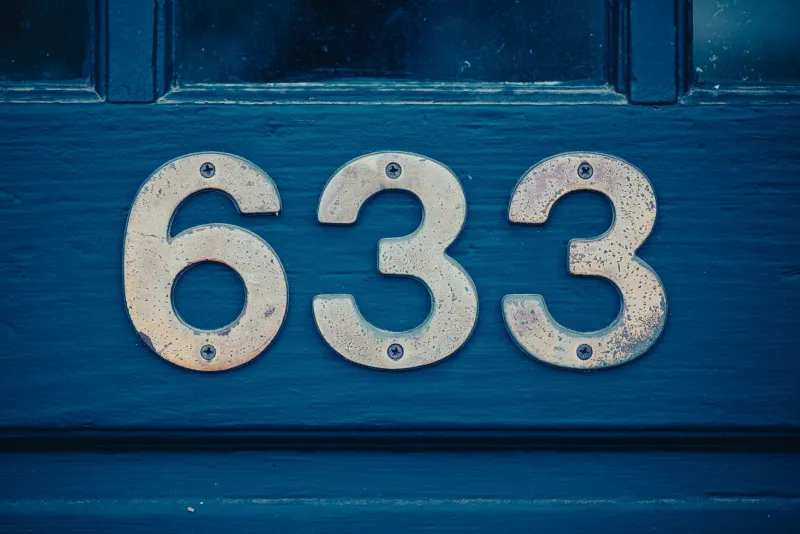
The Number on the Door: How Address Digits Shape Buyer Psychology, Property Values, and Community Identity
Buying & Investment

The Number on the Door: How Address Digits Shape Buyer Psychology, Property Values, and Community Identity

The digits affixed to a front door carry more weight than most buyers ever consider. From culturally significant numerals commanding measurable premiums in American cities to historically resonant addresses that attract premium tenants, the arithmetic of real estate is more nuanced — and more human — than any algorithm can fully capture.

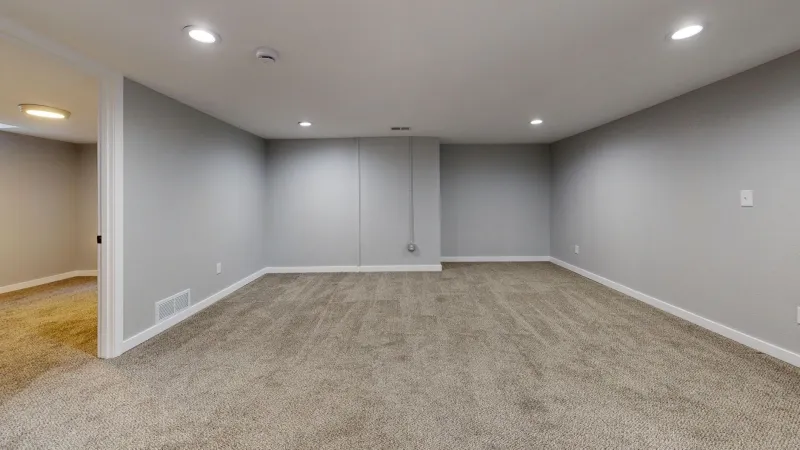
Below the Surface: How Finished Basements Are Quietly Reshaping Property Valuations Across America
Buying & Investment

Below the Surface: How Finished Basements Are Quietly Reshaping Property Valuations Across America

For decades, the basement was little more than a utility corridor—a place for water heaters and forgotten storage. Today, savvy homeowners and investors are discovering that below-grade square footage, thoughtfully finished, can deliver some of the most compelling returns in residential real estate. Understanding how appraisers, buyers, and lenders are reconsidering these spaces may be among the most important due-diligence steps a property owner can take.

The Perfection Penalty: Why the Fully Finished Neighborhood May Be the Riskiest Bet in Real Estate
Buying & Investment

The Perfection Penalty: Why the Fully Finished Neighborhood May Be the Riskiest Bet in Real Estate

When a neighborhood has everything — curated retail, manicured parks, rooftop amenities, and a waiting list for the best brunch spot — investors often assume they have found the safest possible address. The evidence, however, tells a more complicated story. Savvy capital is quietly migrating toward addresses with rough edges and room to grow, and the returns are beginning to speak for themselves.

Against the Algorithm: How Contrarian Investors Found Extraordinary Returns in the Neighborhoods No One Was Watching
Buying & Investment

Against the Algorithm: How Contrarian Investors Found Extraordinary Returns in the Neighborhoods No One Was Watching

The most compelling real estate stories rarely begin with a perfectly filtered search result. They begin with a wrong turn, a curious detour, or a hunch that defies every data point on the screen. A growing number of investors are learning that the neighborhoods algorithmic platforms quietly deprioritize may be precisely the ones worth examining most carefully.

Odd Angles, Outsized Returns: Why the Real Estate World Is Reassessing the Corner Parcel
Buying & Investment

Odd Angles, Outsized Returns: Why the Real Estate World Is Reassessing the Corner Parcel

For decades, corner lots and irregularly shaped parcels were treated as the awkward remainders of urban planning — properties that lingered on the market while their rectangular neighbors sold quickly. That calculus is changing, as architects, entrepreneurs, and institutional investors discover that geometric unconventionality may be one of the most underpriced advantages in today's property landscape.

Beyond the Price Tag: How Young Americans Are Choosing Their Next Address by Values, Not Square Footage
Market Trends

Beyond the Price Tag: How Young Americans Are Choosing Their Next Address by Values, Not Square Footage

A new generation of buyers and renters is rewriting the calculus of desirable real estate, prioritizing walkability, cultural density, and community infrastructure over raw affordability metrics. Across unexpected postal codes from Rust Belt mill towns to mid-sized Sun Belt cities, young professionals are making deliberate address choices that reflect identity as much as economics. Understanding what draws them — and what keeps them — is now essential intelligence for any serious property invest

Numbers Don't Lie: The Hidden Economics of Address Perception and What It Means for Your Property's Value
Buying & Investment

Numbers Don't Lie: The Hidden Economics of Address Perception and What It Means for Your Property's Value

The digits on your door and the name of your street carry more financial weight than most buyers and sellers ever consider. From numerological bias to the premium commanded by historically resonant street names, address perception quietly shapes offers, appraisals, and long-term equity. Here, we examine the data and the psychology behind one of real estate's most underappreciated variables.

Street by Street: How Your Address Is Quietly Determining Your Access to America's Next Wave of Economic Opportunity
Buying & Investment

Street by Street: How Your Address Is Quietly Determining Your Access to America's Next Wave of Economic Opportunity

As secondary cities across the United States incubate new employment clusters, the specific address from which a resident or business operates is proving to be a decisive factor in economic mobility. New data on wage growth, employer density, and property appreciation suggest that certain streets are not merely locations—they are launching pads. Understanding which addresses sit at the threshold of these emerging hubs may be among the most consequential real estate decisions of this decade.

Small Footprint, Outsized Impact: Why the Neighborhood Corner Address Is Retail's Quiet Comeback Story
Market Trends

Small Footprint, Outsized Impact: Why the Neighborhood Corner Address Is Retail's Quiet Comeback Story

While headlines continue to mourn the decline of big-box retail, a quieter revolution is unfolding at the street level. Independent coffee shops, specialty grocers, and service-oriented businesses are staking their futures on historic corner addresses and walkable storefronts—and the surrounding properties are appreciating as a result. The neighborhood anchor is back, and this time it carries a deed.

Brick Walls and Venture Capital: Why Founders Are Choosing Repurposed Industrial Addresses Over Gleaming Tech Campuses
Buying & Investment

Brick Walls and Venture Capital: Why Founders Are Choosing Repurposed Industrial Addresses Over Gleaming Tech Campuses

Venture capital firms and creative enterprises are making a deliberate pivot away from purpose-built tech parks and Class A office towers, gravitating instead toward repurposed mill buildings and historic industrial corridors in secondary markets. The reasons are economic, cultural, and architectural — and the financial opportunity for property owners who understand this shift is substantial.

When Proximity Lost Its Premium: Rethinking What Transit Access Actually Means for Property Values
Market Trends

When Proximity Lost Its Premium: Rethinking What Transit Access Actually Means for Property Values

For decades, a short walk to a subway entrance or commuter rail platform was among the most reliable drivers of residential and commercial property premiums. That calculus has shifted dramatically since 2020, and the addresses now outperforming the market may surprise even seasoned investors.