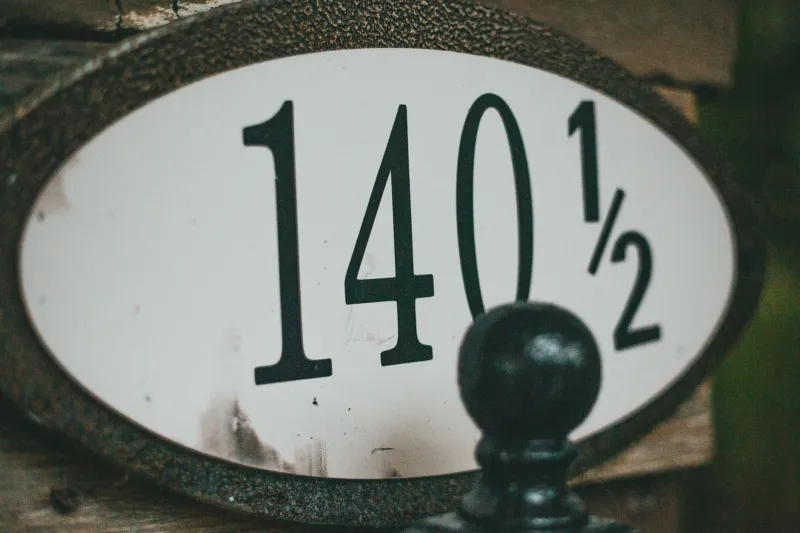
Street Names as Brand Equity: Why 'Mill,' 'Foundry,' and 'Factory' Are Becoming Real Estate's Most Valuable Marketing Assets
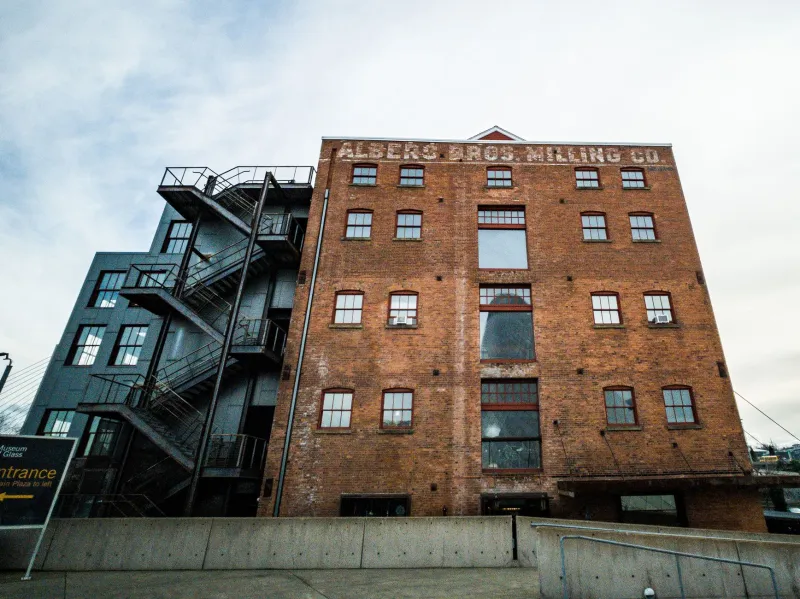
There is a particular kind of real estate alchemy at work in America's revitalizing neighborhoods. It does not require a rooftop pool, a concierge desk, or a lobby fashioned from imported stone. Sometimes, it requires nothing more than the right two words on a street sign.
Across the country, developers, brokers, and investors have arrived at a quiet consensus: certain street names carry an intrinsic brand value that rivals even the most expensive amenity packages. Names rooted in industrial heritage—Mill, Foundry, Factory, Ironworks, Spindle—have evolved from historical footnotes into potent marketing instruments, capable of shaping buyer psychology and commanding price premiums that would otherwise require years of neighborhood repositioning to achieve.
The address 118 Mill Street is illustrative of this phenomenon. It is not simply a location. It is a declaration of provenance, an implicit promise of character, and a carefully curated signal to a buyer who understands exactly what that nomenclature represents.
The Semiotics of the Street Sign
To understand why industrial street names carry such weight in contemporary real estate marketing, one must first appreciate the broader cultural moment in which this trend has taken root. American consumers—particularly millennials and older Gen Z buyers now entering the property market in meaningful numbers—have demonstrated a consistent preference for authenticity over artifice. This preference manifests in everything from the craft beverage industry to the resurgence of analog photography, and it has arrived, with considerable force, in the residential and commercial property sectors.
A street named Mill Street does not merely describe a location. It evokes a specific and emotionally resonant narrative: generations of skilled labor, the particular weight of industrial purpose, the transformation of raw material into something of value. For a buyer who has grown weary of developments with invented names and manufactured identities, an address rooted in genuine history functions as a form of reassurance. The street name itself becomes a certificate of authenticity.
Marketing professionals have recognized this dynamic and responded accordingly. Developers no longer simply list a street address in promotional materials—they construct entire brand architectures around it. The name becomes the anchor for visual identity, copywriting, and community positioning. In this sense, a heritage street name functions identically to a legacy consumer brand: it carries accumulated cultural meaning that no marketing budget alone can manufacture.
Case Studies in Nomenclatural Value
The evidence for this phenomenon extends well beyond anecdote. Consider the trajectory of developments situated along Foundry Street in New Haven, Connecticut, where adaptive reuse projects have consistently achieved per-square-foot premiums relative to comparable properties on adjacent blocks with less evocative addresses. Brokers operating in that market have noted that the street name itself appears in buyer conversations with a frequency that suggests it functions as a genuine selection criterion, not merely a piece of incidental information.
Similarly, in Pittsburgh's Strip District, properties bearing addresses that reference the neighborhood's ironworking past have demonstrated stronger absorption rates than those on streets with more neutral nomenclature. Developers in that corridor have been deliberate about preserving and promoting address heritage in their marketing materials, recognizing that the industrial vocabulary embedded in the street name does persuasive work that polished renderings cannot replicate.
In the Pacific Northwest, Portland's Pearl District offers perhaps the most studied example of how industrial street heritage can anchor an entire neighborhood's identity. While the Pearl's transformation involved many variables, the preservation of street names referencing the area's warehouse and manufacturing past provided a consistent narrative thread that distinguished the district from competing luxury developments and contributed meaningfully to its cultural cachet.
The Developer's Strategic Calculus
For developers entering markets where industrial street names are present, the strategic question is not whether to leverage this asset but how to do so with sufficient sophistication to avoid the appearance of exploitation. Buyers who are drawn to heritage nomenclature are, by definition, discerning consumers of authenticity. They will recognize and reject marketing that appropriates industrial vocabulary without substantiating it through design, material choices, and community engagement.
The most successful projects in this category tend to share several characteristics. They invest in architectural details that honor the industrial past—exposed brick, heavy timber framing, oversized fenestration—while providing the contemporary amenities that modern buyers require. They engage with local historians and preservation advocates to develop genuine narratives around the property's history. And they resist the temptation to over-polish, understanding that a degree of rawness is precisely what differentiates their offering from the generic luxury product available elsewhere in the market.
The street name, in this framework, is not a marketing shortcut. It is a commitment. A developer who places a glassy, context-free tower on Mill Street and expects the address alone to carry the brand narrative will find that discerning buyers are not persuaded. The name creates an expectation that the physical product must fulfill.
Investor Implications
For investors evaluating properties in markets where industrial street names are present, the implications are significant. An address on Mill Street, Foundry Row, or Factory Lane is not simply a piece of geographic information—it is a marketability asset with measurable value that should be factored into acquisition analysis.
This is particularly relevant in secondary and tertiary markets where industrial heritage neighborhoods are in earlier stages of transition. In these contexts, the street name may already carry latent brand value that has not yet been reflected in pricing. Investors who identify these opportunities and acquire properties before the broader market recognizes the nomenclatural premium stand to benefit from a form of appreciation that operates independently of the general market cycle.
Conversely, investors should be attentive to situations in which a heritage street name has already been fully priced in. In markets where the industrial branding narrative has become saturated—where every development within a three-block radius is marketing itself against the same foundry or mill heritage—the differentiation value of the address diminishes. The premium exists in the discovery phase of the narrative, not in its exhaustion.
What the Street Name Signals About Tomorrow
The durability of this trend rests on a straightforward demographic reality. As younger buyers continue to prioritize authenticity, place-based identity, and the kind of layered history that new construction simply cannot provide, addresses that carry genuine industrial heritage will remain in demand. The street name is, in this sense, a form of future-proofing—a characteristic that aligns with the values of the buyers who will define the market for the next two decades.
At 118 Mill Street, the address has always been more than a mailing label. It is an inheritance, a positioning statement, and an invitation to participate in a story that began long before the current owners arrived and will continue long after. In a real estate market that increasingly rewards narrative as much as square footage, that may be the most valuable asset of all.