118 Mill Street Where Every Space Tells a Story

118 Mill Street

Where Every Space Tells a Story

Latest Articles

Before the Boom: Identifying the Overlooked Addresses Quietly Outpacing America's Prestige Markets
Buying & Investment

Before the Boom: Identifying the Overlooked Addresses Quietly Outpacing America's Prestige Markets

Across America, a quiet reordering of real estate value is underway. Neighborhoods once dismissed as secondary—or even undesirable—are posting appreciation rates that would make established luxury districts envious. For the discerning buyer or investor, understanding the signals behind this shift may be the most consequential financial decision of the decade.

The Invisible Hand of City Hall: How Zoning Decisions Determine What Your Address Is Worth Tomorrow
Market Trends

The Invisible Hand of City Hall: How Zoning Decisions Determine What Your Address Is Worth Tomorrow

Few forces shape the long-term value of a property more decisively than zoning policy—yet most buyers and investors treat municipal planning documents as impenetrable bureaucratic terrain. Understanding how density allowances, land-use designations, and development pipelines intersect can mean the difference between an address that appreciates steadily and one that stagnates for decades.

Location as Legacy: A Practical Guide to Choosing an Address That Builds Wealth Over the Next Two Decades
Buying & Investment

Location as Legacy: A Practical Guide to Choosing an Address That Builds Wealth Over the Next Two Decades

The address you select today is not merely a mailing label — it is a long-term financial instrument, one whose returns will be shaped by factors that most buyers never formally evaluate. Drawing on neighborhood economics, walkability research, and the early signals that precede mainstream appreciation, this guide offers a disciplined framework for identifying the streets and districts most likely to generate meaningful wealth by 2040. For buyers willing to look past the obvious, the opportunity

Spindles to Startups: How America's Mill Towns Are Quietly Becoming the Next Silicon Valleys
Market Trends

Spindles to Startups: How America's Mill Towns Are Quietly Becoming the Next Silicon Valleys

Across the American Northeast and Southeast, former textile and manufacturing communities are drawing venture capital, remote workers, and tech entrepreneurs at a pace that is fundamentally reshaping local property markets. The transformation is neither simple nor without friction — longtime residents and newly arrived professionals are negotiating the terms of shared space in real time. For investors and prospective buyers, understanding this shift may represent one of the more consequential op

From Foundry to Front Door: How America's Industrial Addresses Are Writing Their Most Compelling Chapter Yet
Buying & Investment

From Foundry to Front Door: How America's Industrial Addresses Are Writing Their Most Compelling Chapter Yet

Across the United States, former factories, warehouses, and mill buildings are undergoing transformations that preserve their architectural character while welcoming entirely new purposes. For developers and buyers alike, the storied past of an industrial address has become one of its most bankable assets. At 118 Mill Street, we examine what drives the enduring appeal of these reinvented spaces.

The Provenance Premium: How a Property's Past — and Its Online Presence — Is Shaping What Gen Z Will Pay
Market Trends

The Provenance Premium: How a Property's Past — and Its Online Presence — Is Shaping What Gen Z Will Pay

A new generation of homebuyers is applying research methods borrowed from consumer culture to one of the most significant financial decisions of their lives. For Gen Z purchasers, a property's historical significance, neighborhood reputation, and social media footprint are no longer secondary considerations — they are primary ones. The implications for sellers, developers, and the broader market are only beginning to come into focus.

The Address Reimagined: How Remote Work Is Rewriting the Rules of Desirable Location
Market Trends

The Address Reimagined: How Remote Work Is Rewriting the Rules of Desirable Location

For decades, the calculus of a desirable address began and ended with commute time. Remote work has dismantled that framework entirely, replacing it with a richer and more personal set of criteria. From walkable corridors with distinct character to streets that double as community anchors, the definition of a great address is being written anew—and the implications for buyers, renters, and investors are profound.

What's in a Name? Why Heritage Street Addresses Are Fetching Top Dollar
Buying & Investment

What's in a Name? Why Heritage Street Addresses Are Fetching Top Dollar

Properties bearing addresses tied to America's industrial past—Mill Street among them—are quietly outperforming comparable listings in markets coast to coast. A convergence of buyer psychology, renovation economics, and cultural nostalgia is driving unprecedented appreciation for addresses that carry historical weight. Here is what investors and homebuyers need to understand before the window closes.

More Than a Mailing Label: The Surprising Power of Your Property's Address
Buying & Investment

More Than a Mailing Label: The Surprising Power of Your Property's Address

An address is, on its surface, a practical designation — a way for mail carriers and rideshare drivers to find you. But in the world of real estate, the specific street and number attached to a property carry consequences that reach far beyond logistics. From property valuations to personal identity, the address you choose shapes your financial future and your daily experience in ways that merit serious consideration.

Brick, Beam, and Belonging: The Rise of Mill District Living Across America
Market Trends

Brick, Beam, and Belonging: The Rise of Mill District Living Across America

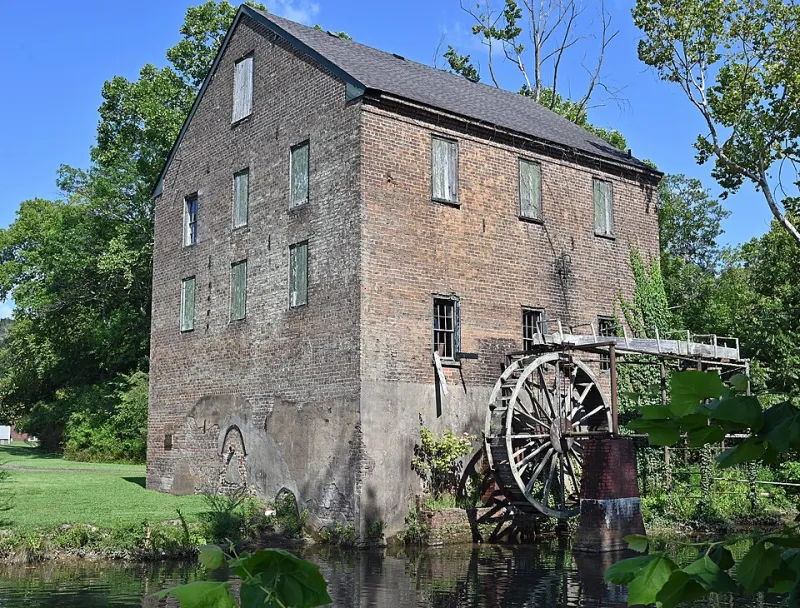
Historic mill buildings are no longer relics of a fading industrial age — they are becoming some of the most sought-after addresses in American real estate. From New England textile towns to Southern manufacturing corridors, the adaptive reuse of mill structures is redefining what it means to call a place home. Here is what buyers, renters, and investors need to understand about this powerful and enduring trend.