The Address Reimagined: How Remote Work Is Rewriting the Rules of Desirable Location
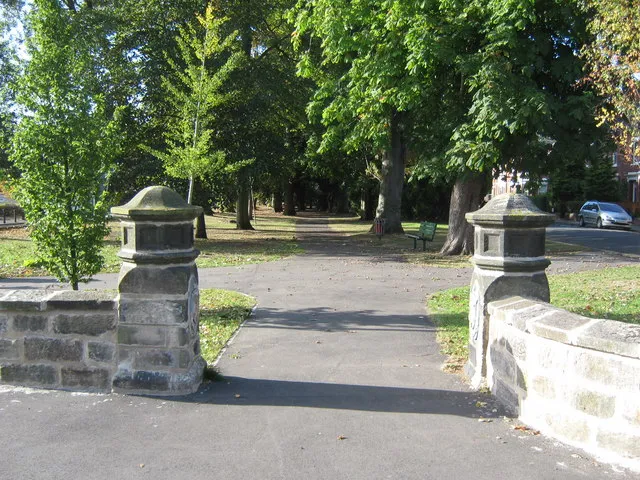
Photo: peter robinson, CC BY-SA 2.0, via Wikimedia Commons
For most of the twentieth century, the value of a home address was, in significant part, a function of its distance from somewhere else. How far was it from the office? How long would the commute take on a Tuesday morning in February? The answers to those questions shaped metropolitan geography, drove suburban expansion, and determined where families planted themselves for decades at a time.
Then, in the span of roughly eighteen months, the logic collapsed.
The mass adoption of remote and hybrid work arrangements has not simply reshuffled buyer preferences at the margins. It has prompted a fundamental reassessment of what an address is actually for—and which qualities of a street, a neighborhood, and a community justify paying a premium to be there.
When the Office Stops Anchoring Everything
Prior to 2020, the geography of American real estate was organized, with remarkable consistency, around employment centers. Concentric rings of demand radiated outward from downtown office districts and suburban corporate campuses. The closer you were to work, the more you paid. The further you lived, the more you drove—and the less you spent on housing.
Remote work severed that relationship with unusual speed. By late 2021, real estate professionals in markets from Boise, Idaho, to Asheville, North Carolina, were documenting a pattern that would have seemed implausible three years earlier: buyers from high-cost coastal metros paying cash for properties in smaller cities and towns they had visited once, or never, selecting addresses based on lifestyle attributes rather than employment proximity.
The shift was not merely geographic. It was qualitative. Buyers were no longer asking, "How long will it take to get to work?" They were asking, "What will my daily life actually feel like here?"
Walkability as the New Commute Metric
If proximity to the office was the dominant location metric of the pre-pandemic era, walkability has emerged as its successor. The Walk Score—a proprietary measure of pedestrian access to amenities—has become a genuine factor in purchase decisions in a way that would have struck many buyers as secondary or aspirational just five years ago.
The underlying logic is straightforward. When work no longer requires leaving the building each morning, the immediate environment of the home assumes outsized importance. A buyer who once spent forty-five minutes each way commuting now spends that time in the neighborhood. The quality of that neighborhood—its coffee shops, its parks, its independent bookstores, its farmers markets—becomes the lived experience of daily life rather than a weekend indulgence.
Streets with established walkable retail and restaurant corridors have benefited materially from this shift. In cities including Denver, Colorado; Charleston, South Carolina; and Ann Arbor, Michigan, corridors with high pedestrian vitality have seen asking prices rise at rates meaningfully above their respective metro averages since 2021. The pattern holds across price points, from entry-level condominiums to high-end single-family homes.
Character as a Competitive Advantage
Walkability is measurable. Character is harder to quantify, but no less consequential in the current market.
Buyers and renters operating in the remote-work era are demonstrating a pronounced preference for addresses that feel distinct—streets and neighborhoods with a legible identity that sets them apart from the undifferentiated fabric of suburban development. This preference expresses itself in demand for historic buildings, independent retail ecosystems, murals and public art, and the kind of mixed-use density that generates street-level activity at multiple hours of the day.
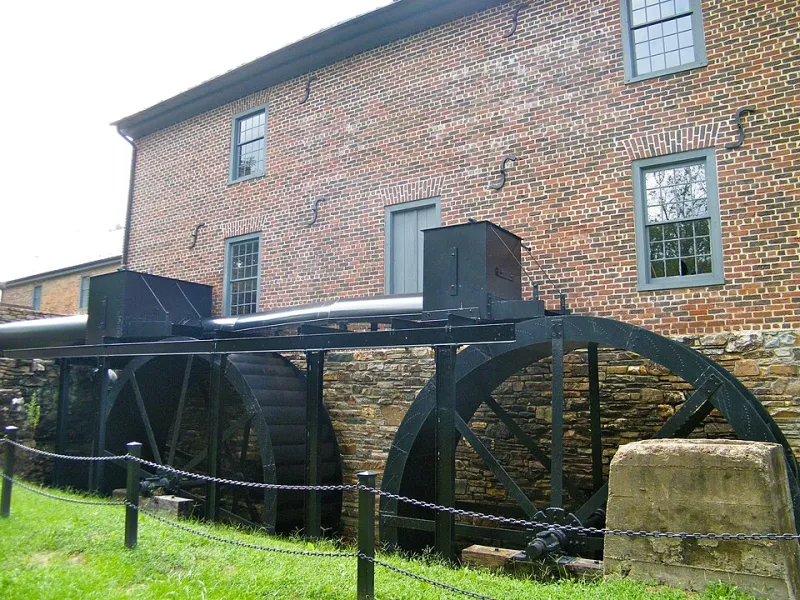
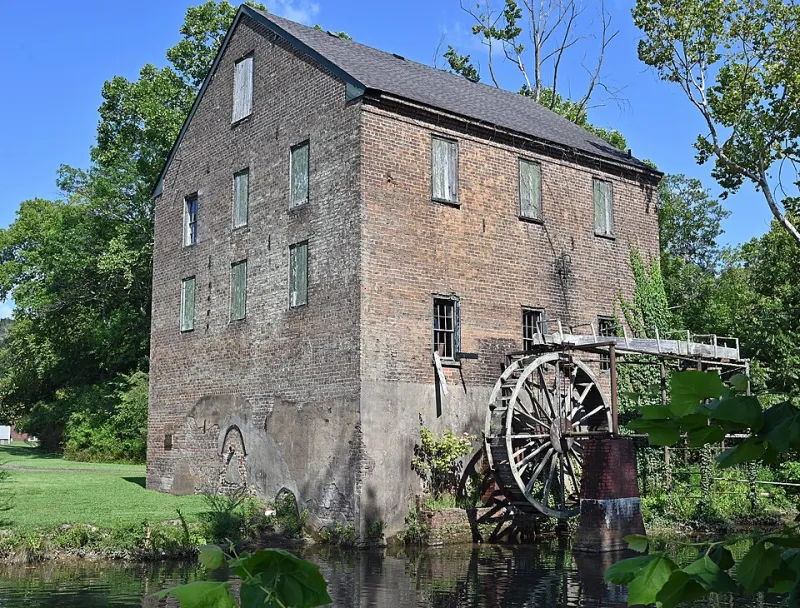
This is precisely why corridors anchored by heritage addresses—streets whose names and buildings carry authentic historical associations—are performing so strongly. A street named Mill Street in a mid-sized American city is not simply a mailing address. It is a signal of place identity. It tells a prospective resident that this location has a story, that the built environment around them reflects accumulated decisions made by real people across generations rather than a single developer's pro forma.
For remote workers who have traded the social infrastructure of an office for the social infrastructure of a neighborhood, that signal matters enormously.
The New Must-Haves: A Practical Inventory
Real estate professionals working with remote and hybrid buyers in 2024 report a remarkably consistent set of location priorities that have supplanted commute time in the decision hierarchy.
Home office viability remains paramount. Buyers are scrutinizing not just interior square footage but the availability of high-speed fiber internet infrastructure, the acoustic qualities of the surrounding street, and the presence of nearby coworking facilities for days when a change of environment is welcome.
Third places have become a critical amenity. The term, coined by sociologist Ray Oldenburg, refers to social environments that are neither home nor work—coffee shops, libraries, community centers, neighborhood bars. Remote workers who spend the majority of their hours at home develop a specific appetite for accessible, comfortable third places that provide low-stakes human interaction. Addresses within a short walk of such environments command a demonstrable premium.
Outdoor access has risen sharply in the priority rankings. Proximity to parks, trails, waterfronts, and green space now influences location decisions with an intensity previously reserved for school district ratings. Buyers who can work from anywhere frequently choose to work from somewhere with ready access to the natural environment.
Neighborhood retail health functions as both an amenity and a market signal. Streets with occupied storefronts, diverse food-and-beverage offerings, and visible pedestrian activity indicate a community with economic vitality—and provide the daily-life richness that remote workers require when the office is no longer part of the equation.
What This Means for Investors and Owners
The recalibration of location value carries practical implications for anyone holding or considering real estate.
Properties in walkable, character-rich corridors that previously suffered from a perceived commute disadvantage are now competitive in ways they were not before. A loft on Mill Street that sits six miles from the nearest major employment center is no longer penalized for that distance in the way it once was. Its proximity to an activated street corridor, its architectural distinctiveness, and its neighborhood identity are now the operative variables.
Conversely, properties whose primary value proposition was commute convenience—apartments adjacent to highway on-ramps, condominiums within walking distance of suburban office parks—face a more challenging demand environment as hybrid schedules reduce the frequency with which proximity to work is actually relevant.
For developers and owners of mixed-use properties in historic corridors, the current moment represents an opportunity to lean into the qualities that remote workers actively seek. Programming that activates ground-floor retail, investment in public realm improvements, and cultivation of neighborhood identity are not merely aesthetic choices. They are value-creation strategies with measurable market returns.
The Address as Lifestyle Infrastructure
At 118 Mill Street, we have always believed that an address is more than a coordinate. It is a framework for daily life, a community affiliation, and an expression of personal values. The remote work era has not invented this idea—it has simply given it the market conditions to prove itself.
The buyers and renters who are reshaping American real estate demand in 2024 are not looking for a location that minimizes friction with an employer's office. They are looking for a location that maximizes the quality of the hours they spend outside of work—and, increasingly, the hours they spend working from home as well. Streets that deliver on that promise, with character, walkability, and genuine community vitality, are not merely trendy. They are structurally advantaged for the long term.