Brick, Beam, and Belonging: The Rise of Mill District Living Across America
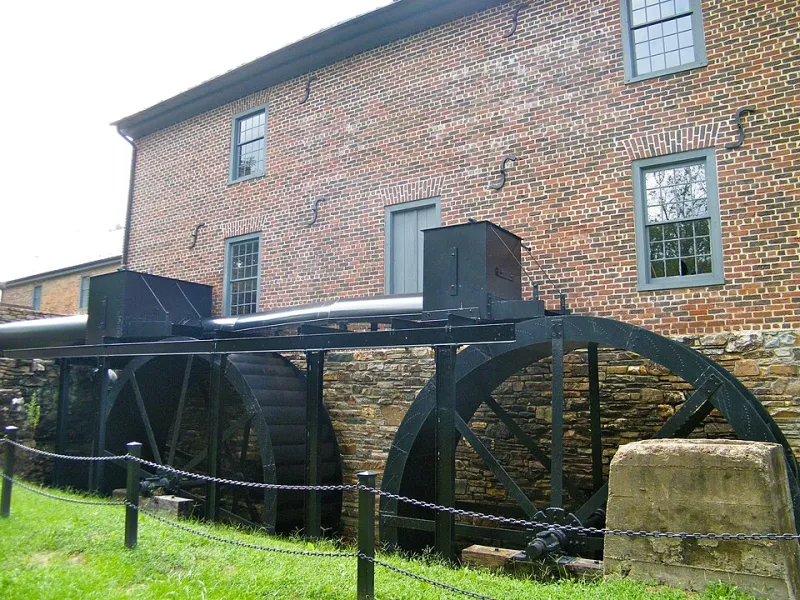
Photo: Sarah Stierch, CC BY 4.0, via Wikimedia Commons
There is something unmistakable about stepping into a converted mill building for the first time. The exposed brick carries the weight of generations. The heavy timber beams overhead speak to craftsmanship that modern construction rarely attempts. The oversized windows — originally designed to flood factory floors with working light — now pour warmth into open-plan living spaces that feel simultaneously grand and intimate. These are not coincidental design choices. They are the architectural inheritance of America's industrial past, and they are drawing a new generation of residents, developers, and investors in remarkable numbers.
Across the United States, the adaptive reuse of historic mill buildings has evolved from a niche preservation effort into a mainstream real estate strategy. Understanding why this movement has gained such momentum — and what it means for those considering life within a reimagined mill district — is essential for anyone navigating today's residential and commercial property landscape.
The Architecture of Authenticity
Modern construction can replicate the aesthetic of industrial design, but it cannot replicate its history. This distinction matters profoundly to a growing segment of the American homebuying and renting population. Studies conducted by the National Trust for Historic Preservation have consistently demonstrated that authentically historic properties command premium interest from buyers who prioritize character, craftsmanship, and a tangible sense of place.
Mill buildings, in particular, offer structural qualities that translate exceptionally well into residential and mixed-use environments. Their heavy timber construction — typically Douglas fir or longleaf pine — provides natural sound dampening between floors. Ceiling heights that once accommodated industrial machinery now create dramatic vertical space in loft-style apartments. Load-bearing masonry walls offer thermal mass that moderates interior temperatures throughout the seasons. These are not merely aesthetic advantages; they are functional attributes that distinguish mill conversions from standard new construction.
Case Studies in Transformation
The breadth of successful mill district revitalization projects across the country provides compelling evidence of this trend's staying power.
In Lowell, Massachusetts — once the cradle of America's Industrial Revolution — the redevelopment of the Boott Cotton Mills complex into a mixed-use community anchored by the Lowell National Historical Park has generated sustained economic activity for decades. Residential units within the district command consistent occupancy rates, and the surrounding neighborhood has experienced steady appreciation in commercial and retail property values.
In the Carolinas, the transformation of the historic Proximity Mill in Greensboro, North Carolina, into the boutique Proximity Hotel demonstrated that mill structures could support hospitality and commercial ventures with equal success. The project became a model for sustainable adaptive reuse, earning LEED Platinum certification while preserving the building's original industrial character.
Further west, the burgeoning Wichita, Kansas, Delano District has seen former milling and warehousing facilities converted into creative office space, artisan retail, and residential lofts, drawing young professionals and entrepreneurs who value proximity to downtown amenities without sacrificing architectural distinction.
The Economic Ripple Effect
The benefits of mill district revitalization extend well beyond the walls of any individual building. Economists and urban planners have documented a consistent pattern: when a historic mill complex is successfully converted and activated, surrounding property values rise, local retail and restaurant ecosystems strengthen, and municipal tax revenues increase — often substantially.
A 2019 analysis by the Preservation Green Lab found that neighborhoods anchored by adaptively reused historic structures experienced stronger job growth and greater economic resilience than comparable neighborhoods dominated by new construction. The reasons are instructive. Adaptive reuse projects tend to attract locally owned businesses and independent operators rather than national chains, creating a more diverse and stable commercial ecosystem. Residents drawn to mill district living frequently prioritize walkability and community engagement, generating consistent foot traffic for nearby businesses.
For municipalities, the financial calculus is similarly favorable. Historic Tax Credits — available at both the federal and state levels — reduce the capital burden on developers, making projects financially viable that might otherwise stall. The resulting properties then generate property tax revenue at rates commensurate with their rehabilitated market value, often representing a significant improvement over the assessed value of a vacant or underutilized industrial structure.
What Buyers and Renters Should Evaluate
For those considering a residence or commercial space within a mill district development, several factors warrant careful examination before committing.
Structural and Environmental Due Diligence: Historic mill buildings, however beautiful, carry the environmental legacy of their industrial use. Prospective residents and tenants should confirm that any development has undergone thorough environmental remediation and that the structure has been assessed for lead paint, asbestos, and other materials common in pre-1980s construction. Reputable developers will have addressed these concerns comprehensively and should be prepared to provide documentation.
Homeowners Association and Maintenance Considerations: Converted mill buildings often involve complex shared systems — original masonry, historic windows, and specialized mechanical infrastructure — that require ongoing professional maintenance. Understanding the financial health and governance of any associated homeowners or condominium association is essential.
Historic Designation and Its Implications: Properties within designated historic districts may be subject to restrictions on exterior modifications and renovation. While these protections preserve neighborhood character and often support property values, they also limit certain types of customization. Buyers should review any applicable historic preservation covenants before purchase.
Community and Mixed-Use Dynamics: Many mill district developments combine residential, commercial, and creative uses within a single complex. This mix can be enormously appealing, creating vibrant, walkable communities with built-in amenities. However, prospective residents should evaluate the specific mix of uses and assess whether the resulting activity levels and operational hours align with their lifestyle expectations.
A Living Heritage
At 118 Mill Street, the name itself reflects a commitment to the values that define the best mill district developments: a specific address with historical resonance, a sense of place rooted in something more substantial than contemporary construction trends, and a recognition that the spaces we inhabit shape the lives we lead within them.
The nationwide renaissance of mill district living is not simply a real estate trend. It is an expression of a broader cultural appetite for authenticity, community, and connection to the stories embedded in the built environment. For those willing to look past the surface of a square footage calculation and engage with the deeper character of a place, mill district properties offer something genuinely rare in today's housing market: a home that already has a history, waiting for the next chapter to be written.